







































Everyone talks about skill in esports, but almost no one talks about the wire – a single flicker in connection, a few milliseconds of delay, and the outcome tilts. You might not see it, yet it’s there, the quiet heartbeat of every match. Bettors who ignore it risk missing half the story.
What Lag Actually Does
Lag isn’t magic or mystery. It’s taking a little too long for data to travel between a player and the game server. That delay, the ping, looks tiny on paper. In practice, it’s everything.
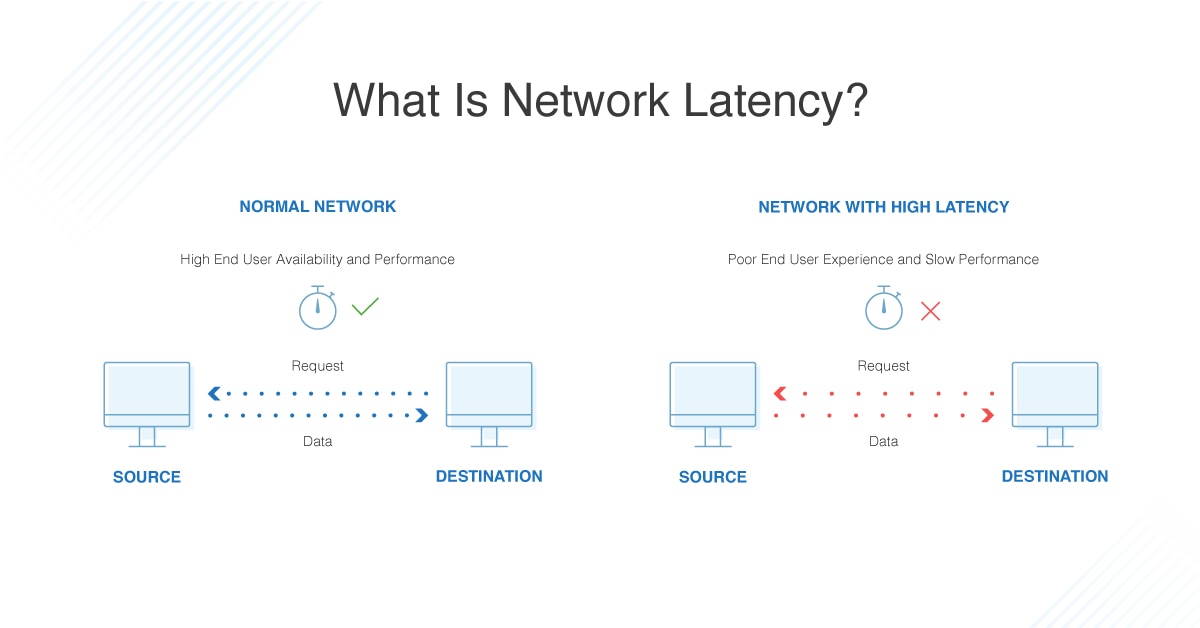
Think about a Valorant duel. One player sits ten kilometers from the server, while the other sits ten thousand kilometers away. Their screens don’t show the same fight. The first player’s shot lands instantly; the second sees it half a blink later. You can almost feel the gaps, the hit that should have landed, the dodge that comes too late. Over time, that kind of delay reshapes how players move, aim, and even think under pressure. One frame. That’s all it takes. Now imagine money riding on that split second. Odds change – confidence changes. A sure bet starts to wobble.
How Betting Sites Handle It
Modern platforms track this stuff. APIs stream real-time stats: accuracy, movement speed, and even connection stability. If ping spikes, odds shift. Some books freeze the market until the match steadies. Others feed latency data straight into predictive models before play begins.
You can see it in places like Betway, where the odds adjust mid-round. They’re not just reacting to scoreboards anymore; they’re responding to signal quality. It’s how digital betting maintains its integrity.
The Human Side
Players feel lag long before viewers do. You can spot it in their movement, in the tiny hesitation before a peek. It gets inside the head fast. Confidence slips. Frustration builds. Suddenly, the map looks smaller, and every duel feels off.
Teams plan around it. They test routes, rent private connections, and sometimes even fly early to lower their ping. Still, perfection doesn’t exist. Online qualifiers remain a gamble in more ways than one. Smart bettors know that. They check server locations the way traditional bettors check weather reports.
Fair Play and Transparency
Lag awareness has forced tournaments to open up. Major organizers now publish server stats and average ping before matches. That data keeps odds fair and accusations quiet.
Developers are helping too. Riot built regional clusters for Valorant to shrink latency gaps between cities. Others are following. The goal isn’t perfection, just equality.
Technology as the Wild Card
Esports runs on two engines: human skill and digital stability. When the second one falters, the first can’t save you. A perfect strategy is worthless if the connection drops for even a fraction of a second.
So yeah, the network itself has become the wild card in esports betting. Like wind in football or humidity in cricket, it’s invisible but real. Ignore it and you might miss the point.
Every millisecond counts. Sometimes, the match and the money hinge on a delay you never see.
Has lag or network latency gotten in the way of your gaming? Let us know how lag has affected you in the comment section below.


