





































A new year tends to reset habits, and gaming is no different. When the big launch windows pass and limited-time events fade out, players start trimming things back. What do I actually enjoy opening? What fits into a normal evening without feeling like a commitment?
Heading into 2026, that question matters more than ever. Gaming now sits across consoles, PCs, phones, and online platforms, and the lines between them are blurrier than they used to be. A console epic, a mobile game, and an online casino session can all fill the same role depending on mood and time.
Big games still dominate the headlines
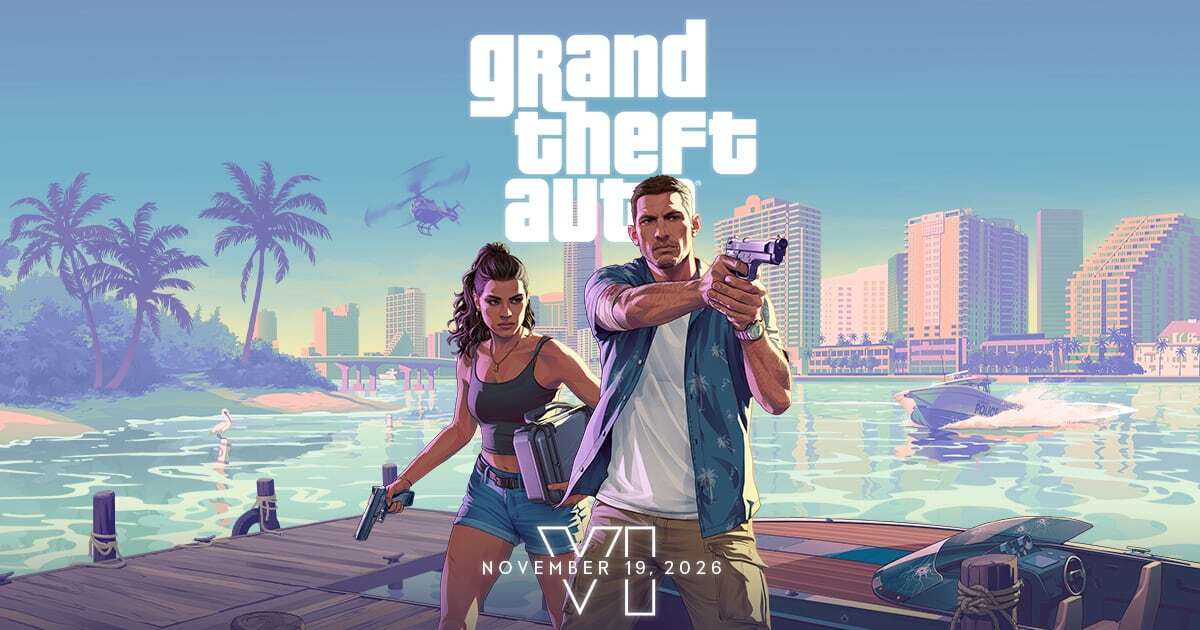
Huge releases still grab attention. Games like Grand Theft Auto VI become talking points even for people who aren’t actively playing. They feel like shared moments rather than just products. Long-standing titles such as EA Sports FC also remain part of many routines, mostly because they’re easy to return to. A quick match, familiar mechanics, no warm-up required.
Looking ahead to late 2026, anticipation around major releases continues to shape gaming conversations even when players aren’t actively engaging with them. Grand Theft Auto VI is the clearest example. Long before launch, it’s already influencing expectations about scale, immersion, and production values. For many players, simply following trailers, rumors, and community reactions becomes part of the experience. The game itself may demand dozens of hours, but the cultural moment around it fits into much shorter bursts of attention.
Horror fans are seeing something similar with Resident Evil Requiem, which is expected to build on Capcom’s recent run of tightly designed, story-driven releases. These games invite deeper engagement, but not necessarily all at once. Players dip in for a chapter, step away, and return later. Even premium, narrative-heavy titles are increasingly aligning with the reality that playtime is often fragmented rather than marathon-based.
But fewer players are building their entire gaming time around these releases. Instead, they’re mixing them with experiences that ask less. That’s where casual games and online casino platforms quietly fit in.
Online casinos fit modern play patterns
One reason online casinos continue to grow is how well they match real-world schedules. Most people don’t have long, uninterrupted gaming sessions anymore. They have gaps. Ten minutes here. A short break there.
Casino games naturally fit into those gaps. There’s no storyline to remember, no progression tree to track. You open a game, you play, and you leave when you’re done. Platforms like online casino are built around that simplicity. The experience is clear almost immediately, making it easy to decide whether to stay or move on. This kind of play doesn’t replace bigger games. It sits alongside them.
Familiarity keeps casino games relevant
Another reason casino content holds its place is consistency. While many video games constantly change systems or introduce new mechanics, casino games stay stable. A slot or table game behaves the same today as it did months ago.
That predictability matters more than it gets credit for. After spending time in complex games that demand focus and decision-making, switching to something familiar feels relaxing. There’s no learning curve. No pressure to keep up. For many players, online casinos become the low-effort option at the end of the day. Not the main event, just something comfortable.
Short sessions are no longer secondary
Games designed for short sessions are no longer a niche. They’re becoming the default. Casino games, puzzle games, and simple strategy titles all benefit from this shift. You don’t feel punished for leaving. You don’t feel behind when you return.
This mirrors how people use screens now. Gaming often happens alongside messaging, streaming, or browsing. Experiences that accept divided attention tend to last longer in daily routines.
A broader idea of gaming in 2026
By 2026, gaming feels less about labels and more about moments. Console games, mobile titles, and online casinos all serve different purposes on the same day. What links them is flexibility. Players want control over how long they play and how much energy they invest.
The games that survive aren’t always the biggest or most ambitious. They’re the ones who understand how people actually live. The new year doesn’t just bring new releases. It brings clearer choices. And for many players, online casino games are part of that mix because they fit neatly into modern life without asking for more than they’re given.
As gaming continues to fragment into shorter sessions and broader choices, what does your ideal gaming night in 2026 actually look like, and where do you find yourself spending the most time? Let us know in the comments section below.


