





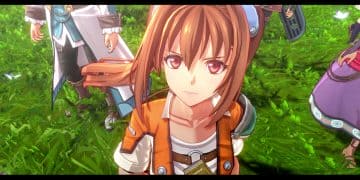

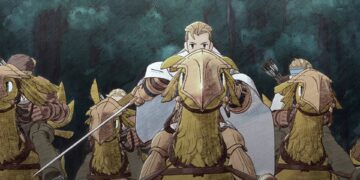














Trails in the Sky 2nd Chapter is an excellent follow-up remake that takes almost everything established in its predecessor and builds upon it in some meaningful ways. As a remake of the second entry in Nihon Falcom’s beloved Trails series, it continues the story of Estelle Bright while expanding the world, introducing new characters, and delivering a considerably more involved narrative. While its slower opening and familiar locations can make the initial hours feel somewhat repetitive, 2nd Chapter eventually develops into one of the most engaging JRPG experiences in the series.
A Solid Sequel Narrative
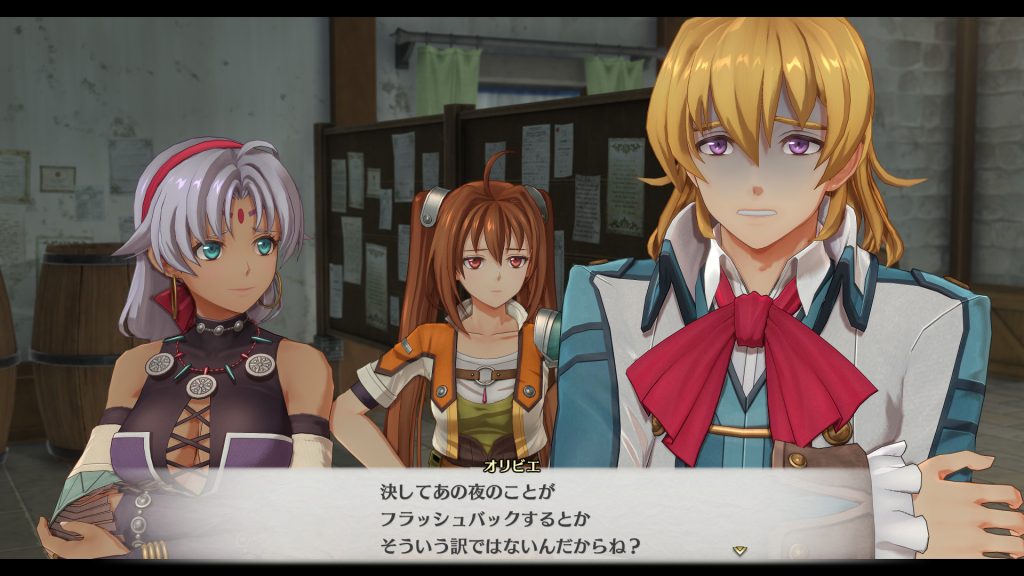
Picking up after the events of 1st Chapter, the story follows Estelle as she attempts to find Joshua after his sudden disappearance. What initially begins as a personal journey gradually develops into something much bigger as she becomes involved with Ouroboros, a mysterious organization whose activities threaten the entire Kingdom of Liberl. Unlike the previous game which took almost too much time establishing the characters in an almost slice of life pacing, Trails in the Sky 2nd Chapter wastes no time with its plot.
The writing and narrative are easily some of the game’s biggest strengths. Estelle remains a fantastic protagonist, and watching her deal with everything that happened at the end of the previous game gives her character considerably more depth. The supporting cast also benefits from having already been established, allowing the game to spend more time developing their relationships and personalities. There are plenty of memorable interactions, emotional moments, and interesting developments throughout the campaign. The introduction of Ouroboros and its members also gives the story a much stronger sense of direction, particularly as the organization’s plans gradually become clearer.
Unfortunately, the pacing isn’t always consistent. The first few chapters involve revisiting several locations from the previous game, and while there are new characters, quests, and events to discover, the lack of exploration and discovery can make these sections feel somewhat drawn out. Some side quests also fall into familiar fetch quests and monster-hunting routines, which can become repetitive over time. Thankfully, the narrative becomes exceedingly more exciting as the story progresses, with its later chapters delivering some of the game’s strongest moments.
Some New and Old With Gameplay
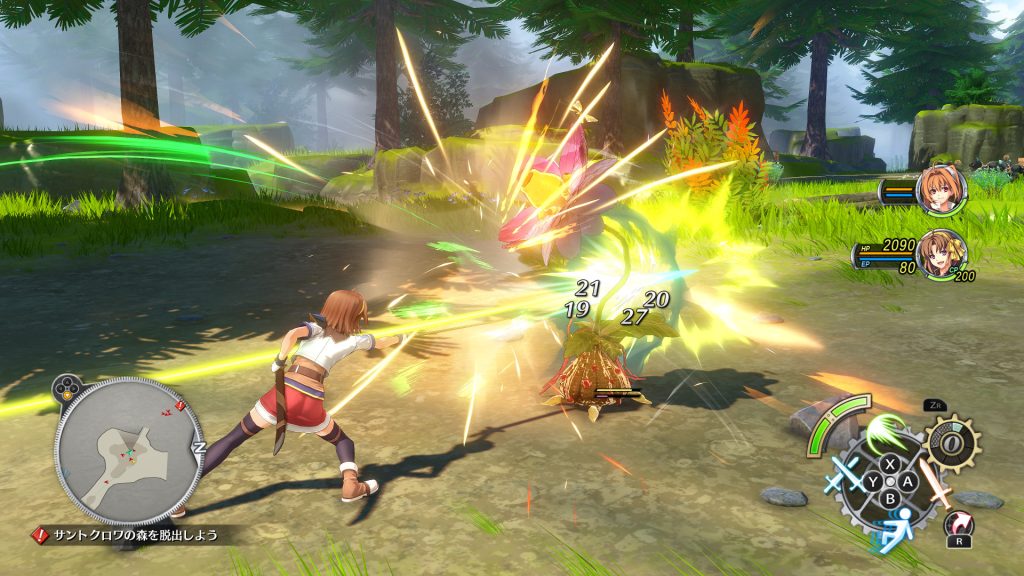
Gameplay is mostly the same as in the previous title, with the same hybrid combat system introduced in 1st Chapter. You can fight enemies directly using real-time combat before transitioning into traditional turn-based battles, where positioning, abilities, and elemental weaknesses become much more important. Both approaches complement each other nicely, although turn-based combat remains the more strategic option, especially during boss encounters.
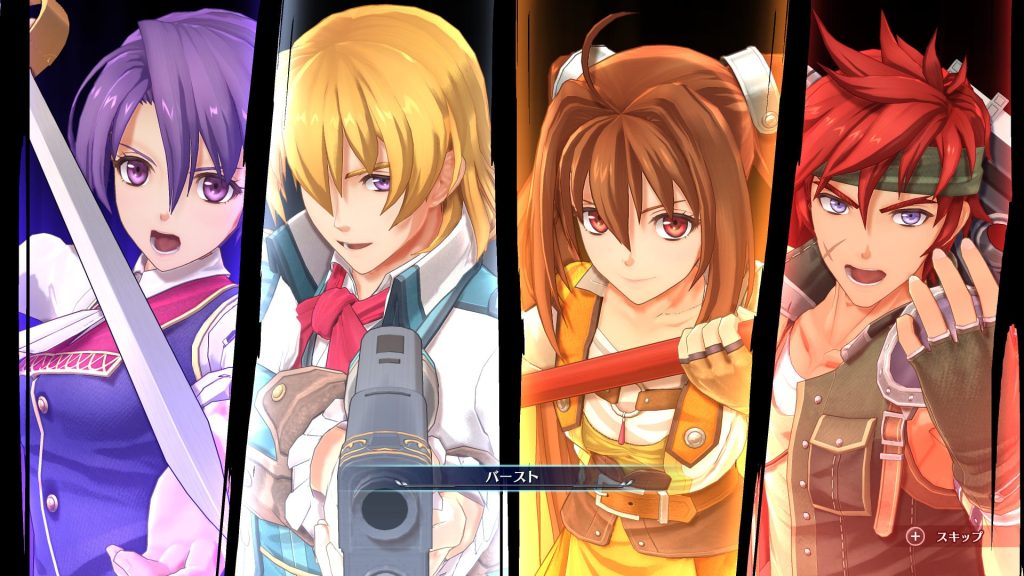
However, the sequel still includes some new additions that make combat more interesting. The first and most notable is Brave Rush, which allows characters to combine their attacks into a powerful team strike during real-time encounters. They’re fun and flashy and the damage from these attacks are sometimes a life-saver.
There’s also an expanded selection of Crafts and Arts that gives you considerably more options during turn-based battles. Characters can equip Orbments and different Quartz to unlock magical abilities, improve their statistics, and create specialized builds. Managing your Energy Points, Craft Points, and turn order is important, especially when dealing with tougher enemies and bosses. Finally, there’s the new Enforcer Boost mechanic which also gives certain enemies additional abilities and makes encounters more challenging. This new mechanic adds a level of challenge not seen in the previous games and is a great way to keep players who completed the previous game and all it had to offer on their toes.
Visuals and Downtime
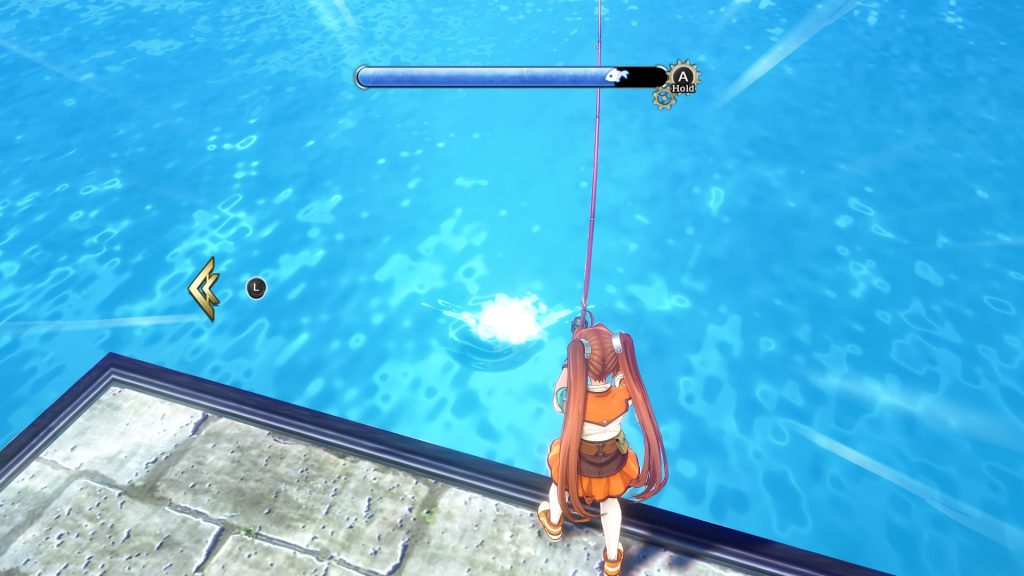
Outside combat, there are plenty of activities to keep players occupied. Fishing has received an overhaul with different rods, bait, and fishing locations, while cooking returns with new recipes to discover. There are also numerous side quests, hidden treasures, optional encounters, and additional characters to recruit into your party. The improved quest tracking and map features make finding objectives considerably easier, although some optional missions can still be easy to miss if through progress is too far through certain chapters. If you miss this you won’t be able to go back, which is a shame.
Visually, 2nd Chapter showcases a clear improvement over the original game. Like the remake of the first game, it sports more expressive character models, improved animations, and better presentation during important story sequences. The soundtrack also features a fantastic collection of tracks that complement everything from quieter character interactions to the game’s more intense encounters. While the voice acting is generally great, some dialogues are still unvoiced, and there are occasional inconsistencies in the English performances.
Final Thoughts
Ultimately, Trails in the Sky 2nd Chapter is a fantastic sequel that improves upon an already enjoyable experience. Its combat is engaging, its characters are considerably more developed, and its storytelling provides some genuinely memorable moments. The slower opening, repetitive side activities, and familiar locations can occasionally affect the pacing, but these problems become much easier to overlook as the narrative unfolds. Players who enjoyed 1st Chapter will definitely enjoy its sequel, as it’s an excellent continuation that delivers on the promise of its predecessor. It takes the characters, world, and gameplay that made the first game enjoyable and gives them a much bigger story to work with.
The Review
Trails in the Sky 2nd Chapter
Trails in the Sky 2nd Chapter is a fantastic sequel that improves upon an already enjoyable experience. Its combat is engaging, its characters are considerably more developed, and its storytelling provides some genuinely memorable moments. The slower opening, repetitive side activities, and familiar locations can occasionally affect the pacing, but these problems become much easier to overlook as the narrative unfolds.
PROS
- Great narrative
- Great visuals
- Good mechanics
CONS
- Pacing issues
- VA issues


