




































Resonance: A Plague Tale Legacy is the latest title from Asobo Studio. As the third entry in the series, the developer already has a track record of delivering engaging gameplay with gripping storytelling. While Resonance is quite different from its predecessors and comes with some quirks, it still includes excellent features that make it stand out from the rest.
An Untold Story in The Series
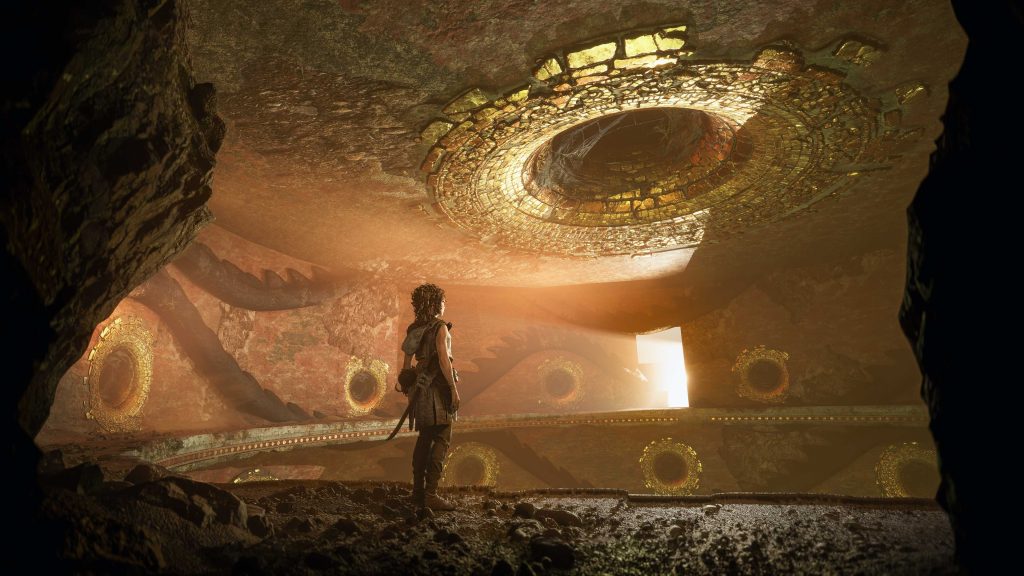
Set 15 years before the last entry, Resonance: A Plague Tale Legacy follows Sophia, who was kidnapped at a young age and used for her ties to the mysterious Minotaur Island, which she often sees visions of. However, shortly after being rescued by her father, he mysteriously dies on the same island, and years later, Sophia decides to visit the island to find answers to several mysteries, including what really happened to her father, why she still has visions, and what the history and true nature of the island are. On her journey, Sophia faces several trials and tribulations through many types of puzzles that stand in her way, as well as an army that follows her onto the island in search of riches.
Most of the game’s narrative takes place on the island, where Sophia solves several puzzles, fights off the army after her, and discovers the island’s Greek origins and fate through visions and interactive flashbacks. The narrative is interesting, especially in the latter half of the story, where several of the game’s mysteries are unveiled. Things become clearer, but narrative engagement mostly peaks at the start of the game, where players are introduced to where Sophia grew up, the interesting characters around her, and the events that precede her going to the island. This is a shame because the cast includes several characters with the potential to be endearing and entertaining, but they’re cut off a few hours into the game to make room for the grander, more traditional overarching story.
RelatedStories


The Best Combat in The Series
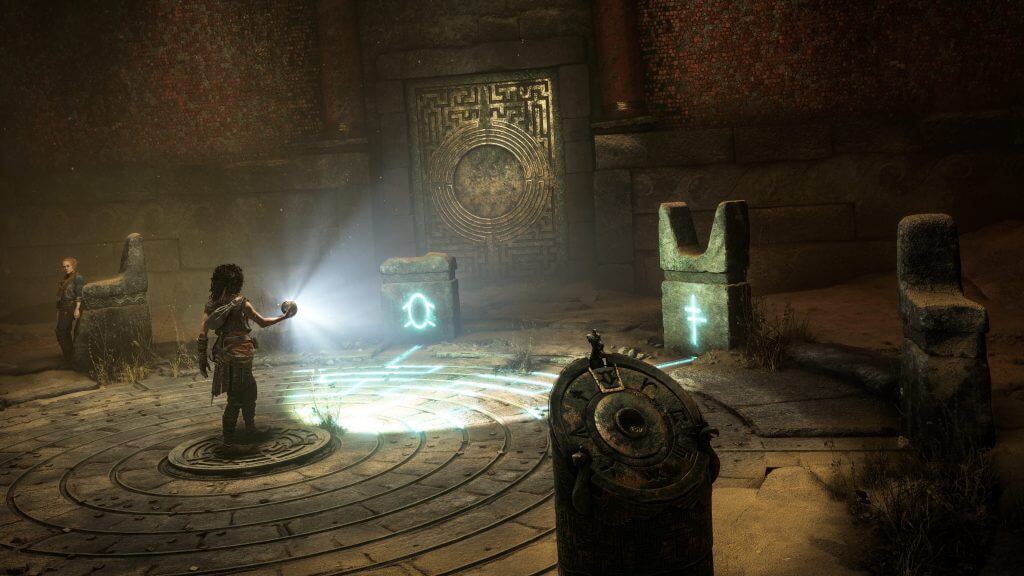
Thankfully, what Resonance: A Plague Tale Legacy lacks in its narrative it makes up for with its unique and engaging gameplay and combat system. The game seamlessly and excellently blends exploration and combat. Players progress through the island by solving all manner of environmental puzzles that will test players’ spatial awareness, intellect, and more. These puzzles are often creative and range from those that use depth perception to those that use light and colors, positioning, and wit. However, halfway through the game, players will start to notice that several of the same puzzles, specifically those that have Sophia use light and reflections to open up doorways in a variety of ways, get repetitive and even tiresome. Thankfully, the other half of the game’s puzzles are at least engaging and interesting enough to make up for the repetitive ones.
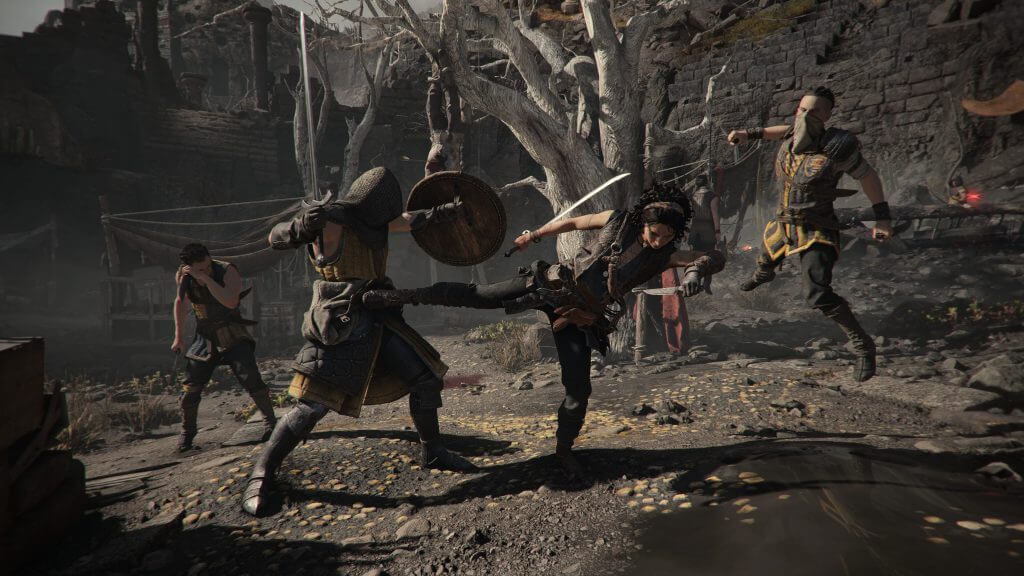
Resonance’s combat system is one of its major highlights. Unlike many other action-adventure games and the previous games in the series, which had no combat, players fight several enemies and bosses throughout the game. They start by fighting a few enemies at a time while learning how to parry, perform critical and heavy strikes, and stun enemies. However, as players get familiar with the system and more events unfold, Sophia will unlock more skills, weapons, and tools in her arsenal, and players will unlock a skill tree providing them with abilities like being able to evade, get conditional buffs such as an invincibility period after a critical strike, an ultimate ability, and much more.
However, the most engaging part of the combat system is how it incentivizes and rewards players for being both skillful and aggressive, since players can only heal themselves by taking out an enemy. Because of this, aggressively fighting tens of enemies at a time not only feels incredibly fun but also necessary to prevail. Eventually, players get so used to the combat system that evading enemies while throwing items, parrying and dealing heavy blows, and pulling off cool finishers becomes second nature.
The Best Visuals In The Series
It’s also worth noting that while the mechanics, including the skill tree, are noticeably sparse, it surprisingly doesn’t devalue the combat experience and is actually better for it. The true beauty of the combat system is that, despite its simplicity, skilled players can make it interesting through many strategic options the game offers.
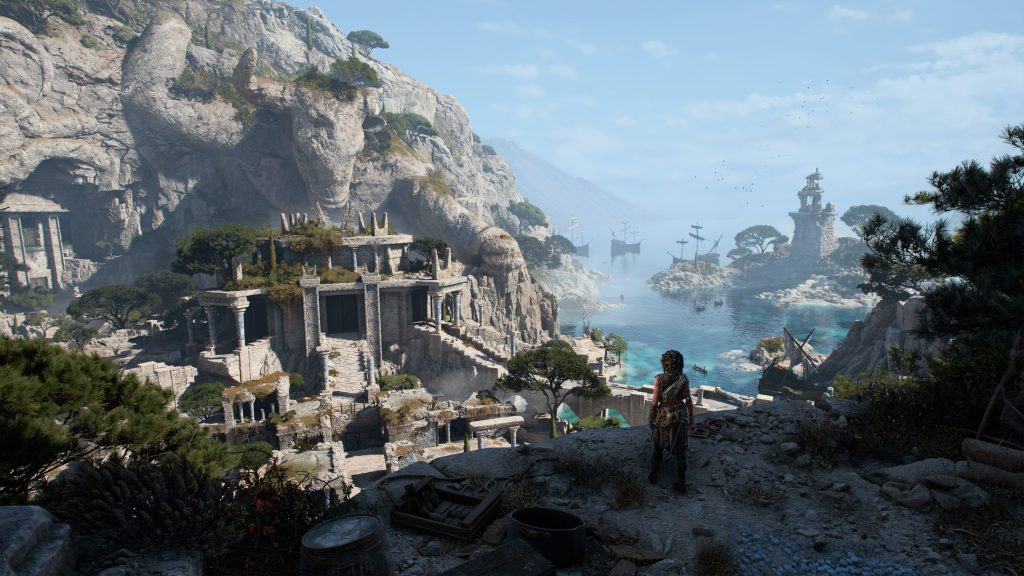
Visually, Resonance: A Plague Tale Legacy is by far the best-looking game in the series. The game sports impeccable character designs seen chiefly through their authentic-looking tattoos, outfits, hair, accessories, and more. What’s more, the character models show excellent details as they actually look like humans without being overly photorealistic. Other than that, the game also features amazing art direction, with fantastic vistas and intricate environmental exterior and interior designs.
Final Thoughts
Overall, despite its middling aspects, Resonance: A Plague Tale Legacy is a fantastic entry in the Plague Tale series. It does an incredible job of distinguishing itself from previous titles through its amazing combat and exploration elements.
The Review
Resonance: A Plague Tale Legacy
Despite its middling aspects, Resonance: A Plague Tale Legacy is a fantastic entry in the Plague Tale series. It does an incredible job of distinguishing itself from previous titles through its amazing combat and exploration elements.
PROS
- Great visuals
- Great combat system
- Some great narrative moments
CONS
- Some tedious puzzles
- Underutilized narrative potential


