



































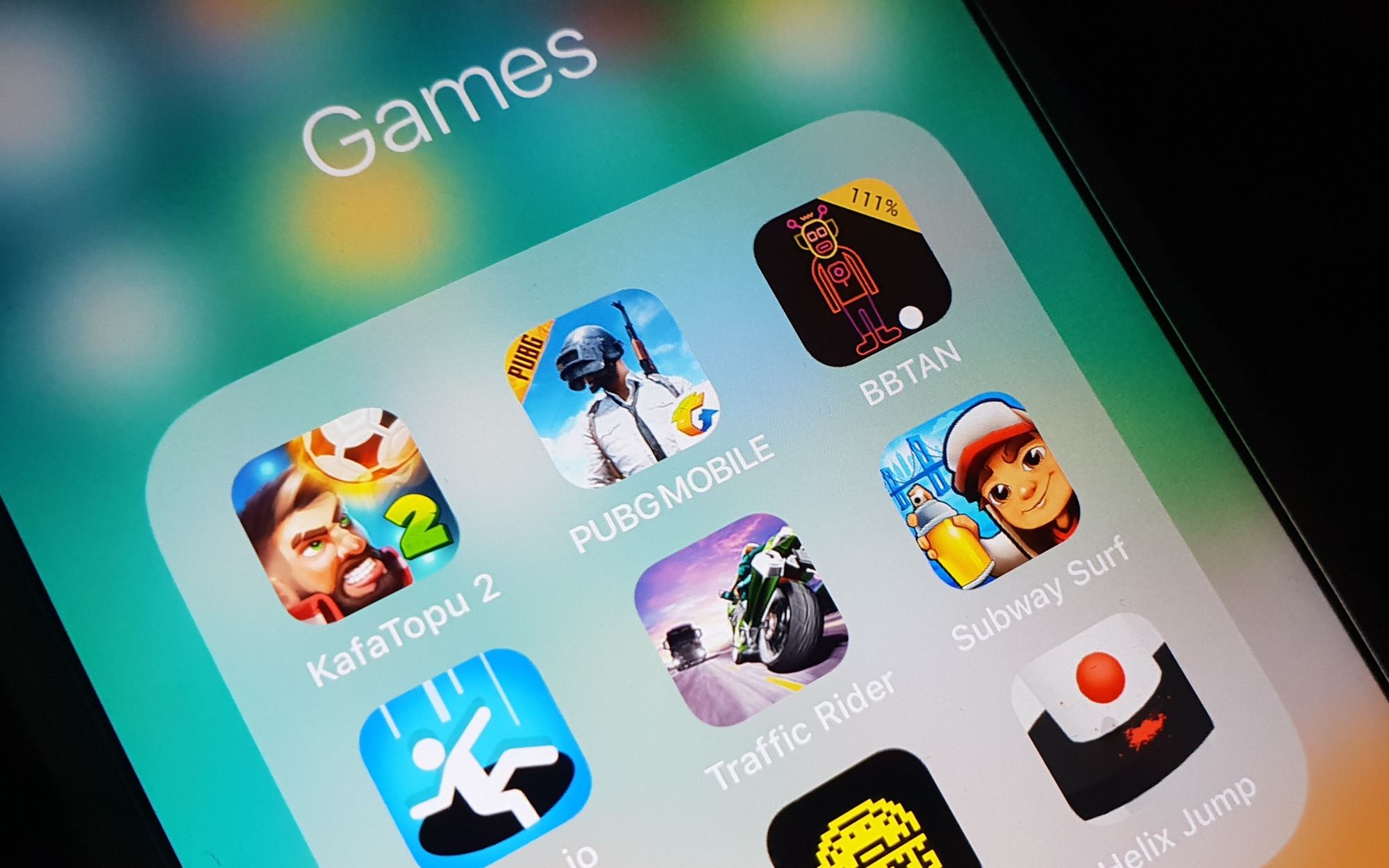


Mobile app games do not need a plan. That is their biggest advantage. A player does not have to sit down for the evening or set anything up. The phone is already there. Five minutes before a meeting, ten minutes on the sofa, a short wait outside a shop, a quiet ride home. That is usually enough. This is why app games became part of normal downtime. They are not always played because someone planned to “game.” They are played because the moment is there and the phone is close. That small difference matters. Convenience is not only about technology. It is about timing.
The First Tap Matters
The best games on betway botswana app understand that people are impatient on phones. If the opening screen is slow, if the menu is messy, or if the player has to work too hard before the game begins, the whole thing starts to feel like effort. Most players are not looking for effort in a quick mobile session. They want to open the app, understand what is in front of them, and start. That is true for puzzle games, sports games, card games, casino-style games, and quick arcade games. Different formats, same basic rule: do not waste the first minute. The phone is a busy place. Messages, calls, videos, work, social apps, everything is fighting for attention. A game that takes too long to settle loses that fight quickly.
Short Sessions Are The Point
Many app games are built around short rounds because that is how people actually use them. One level. One spin. One challenge. One quick match. Then the phone goes back in the pocket. That does not make the game less serious. It just means the design has to respect the session’s size. A good app game lets the player leave without feeling punished. It also lets the player return without needing to remember too much. That is harder than it sounds. Too many menus, too many reminders, too many pop-ups, and the game starts to feel noisy. The smoothest apps keep the path short.
A Small Screen Has No Patience For Clutter
On a phone, bad design shows up fast. A button in the wrong place is annoying. Text that is too small gets ignored. A crowded lobby feels heavier than it should. This is where convenience becomes practical. The screen has to be readable. The important action has to be easy to find. The player should not feel lost after two taps. The same idea applies to gaming and betting apps. Someone opening the app is still using a phone screen with limited space and limited patience. The app has to make movement simple because the user is not sitting with a keyboard and a large monitor.
Speed Is Part Of The Experience
Fast loading is not a bonus in app games. It is part of the reason people open them in the first place. A game can look good and still fail if it makes the player wait too long. Mobile sessions are too small for that. When someone has only a few minutes, every delay feels larger than it is. That is why simple games often last longer on people’s phones than heavier ones. They open quickly. They run smoothly. They do not turn a short break into a loading screen.
Convenience Is Why They Stay
App games survive because they ask for less. Less time. Less setup. Less space. Less attention when the player has little to give. That is the real appeal. Not every game has to be a long session or a big event. Sometimes the best game is the one that is ready when the player is.
What’s your favorite mobile app game of choice? Personally, I always like a good puzzle game. Let us know in the comment section below.


